hours of real-world egocentric tool use
EGO-CENTRIC INTELLIGENCE / ONLINE
PAPER / EMNLP 2026
EgoTools: Towards Tool-Centric Reasoning in Real-World Egocentric Videos
Beyond seeing.Understand the tool.
EgoTools is a 100-hour dataset, a diagnostic benchmark, and an 8B reference model for reasoning about tools in real-world first-person video.
REAL CASE ROTATION / 01
GROUND → TRACK → INFER
KitchenSpatula
Transfer without piercing
- 01GroundLocate the tool
- 02TrackFollow its use
- 03InferExplain the choice
01 / DATA02 / BENCH03 / MODEL
FILM
THE FULL STORY
Watch tools become evidence.
The complete EgoTools project film—from real-world collection to tool-centric narration, grounding, evaluation, and learning.
00
ACADEMIC OVERVIEW
Recognition names the object.Reasoning explains the action.
Real work unfolds over minutes, not frames. A model must know why one tool is chosen, how it changes the target, and which earlier step made the current action possible.
long-form first-person videos
361,332 hierarchical captions across multiple timescales
tool-centric narrations grounded in action
01
THE FIELD LAB
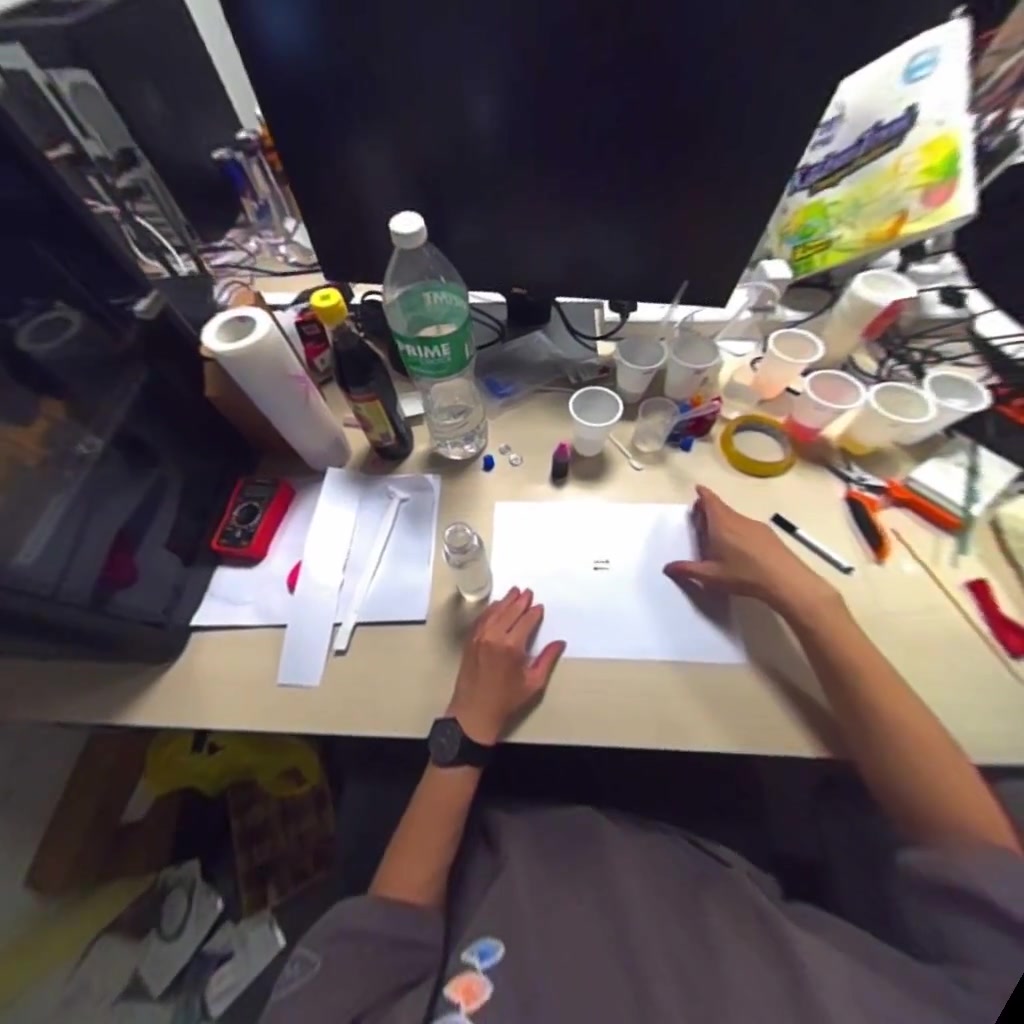
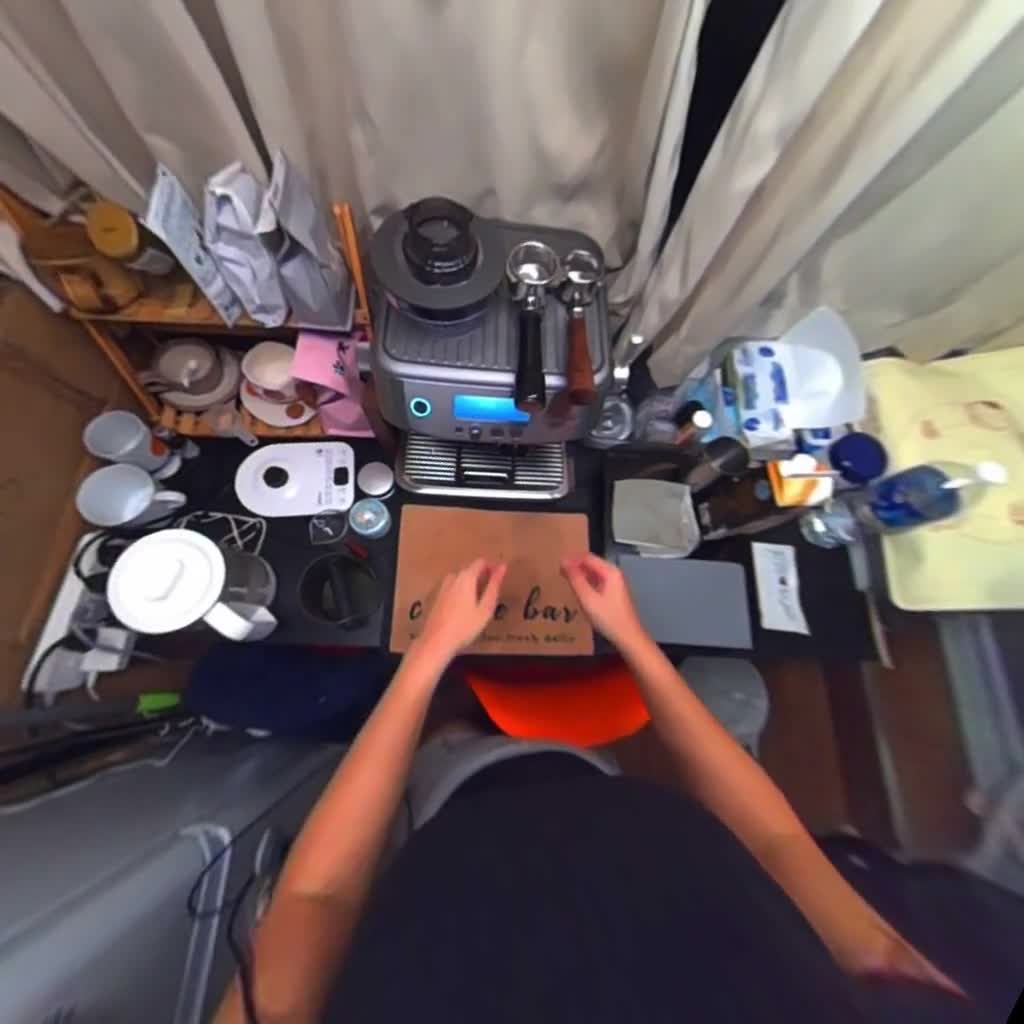
Seven domains. Zero studio shortcuts.
Everyday spaces become a proving ground for physical reasoning: messy, occluded, long-horizon, and irreducibly real.
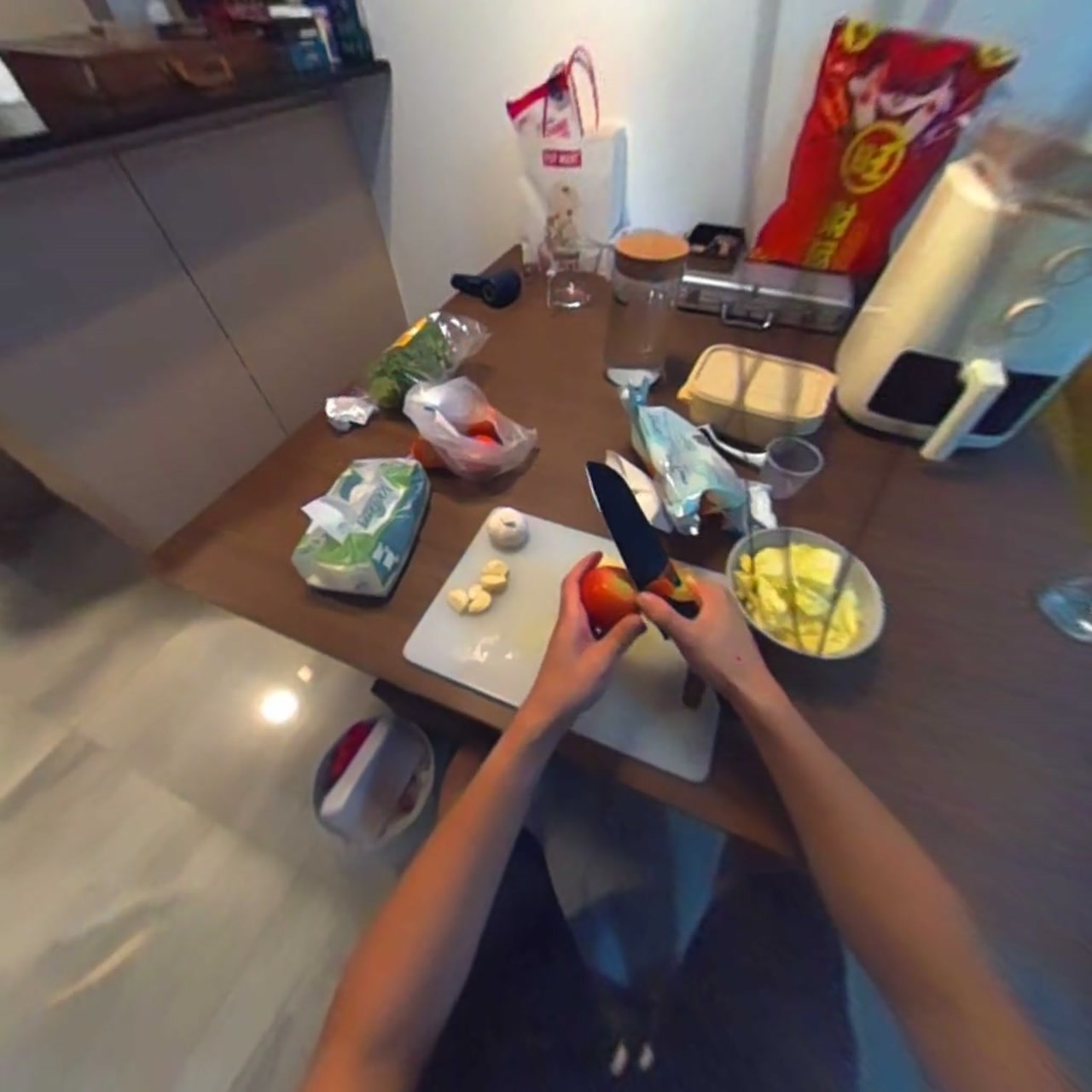

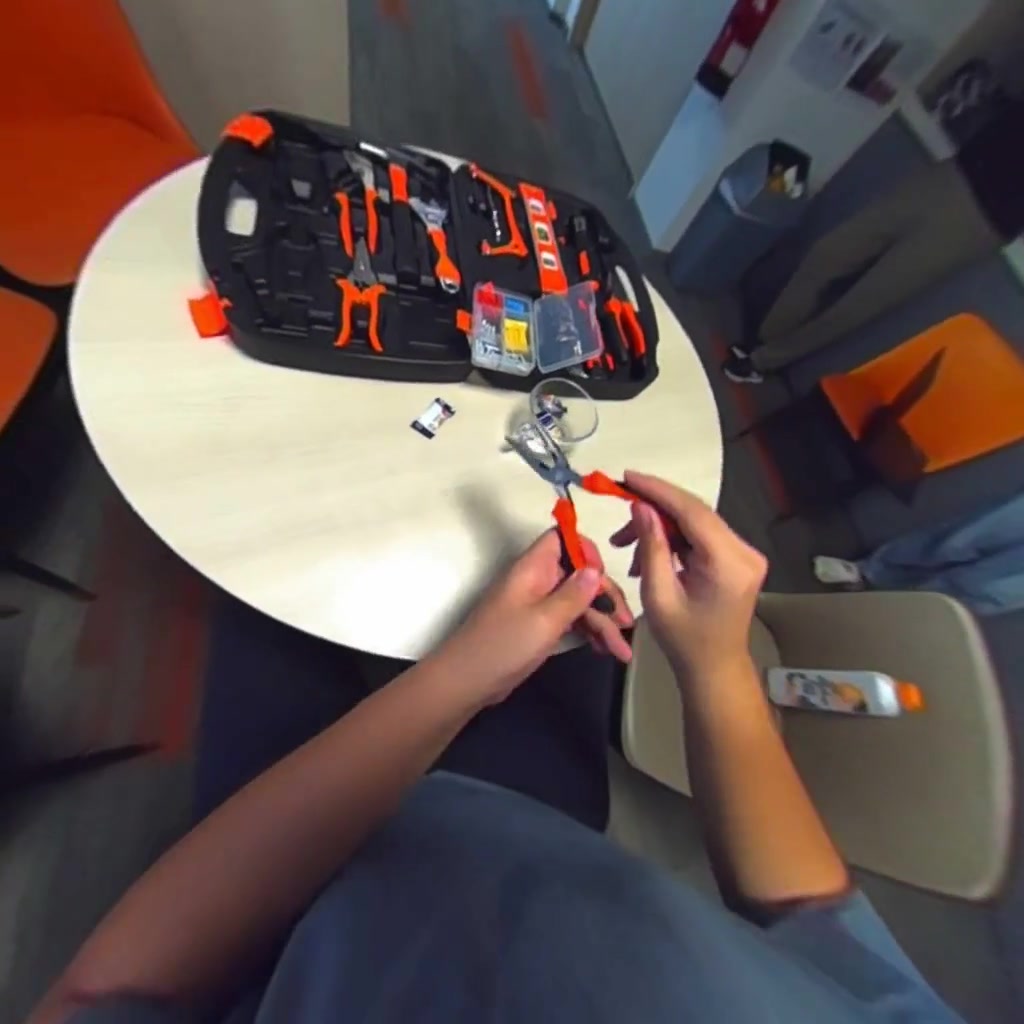
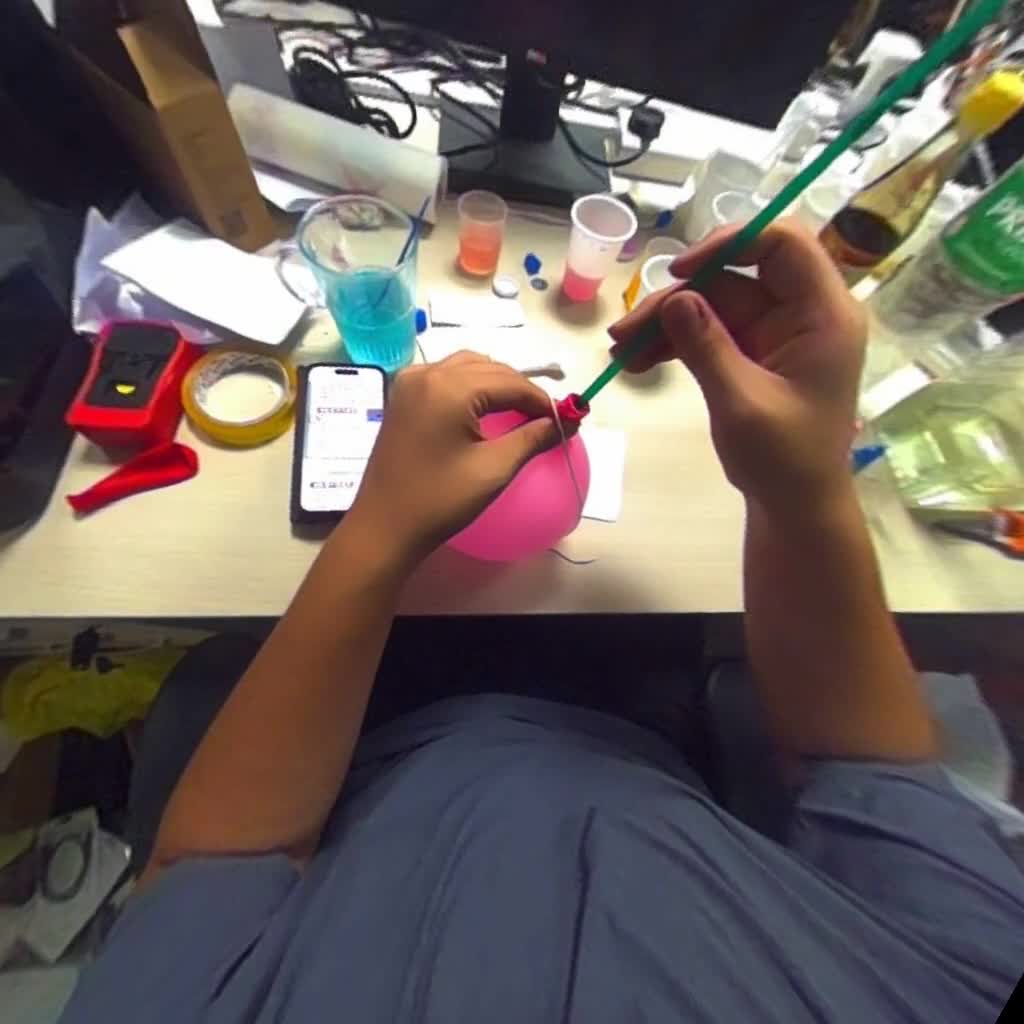
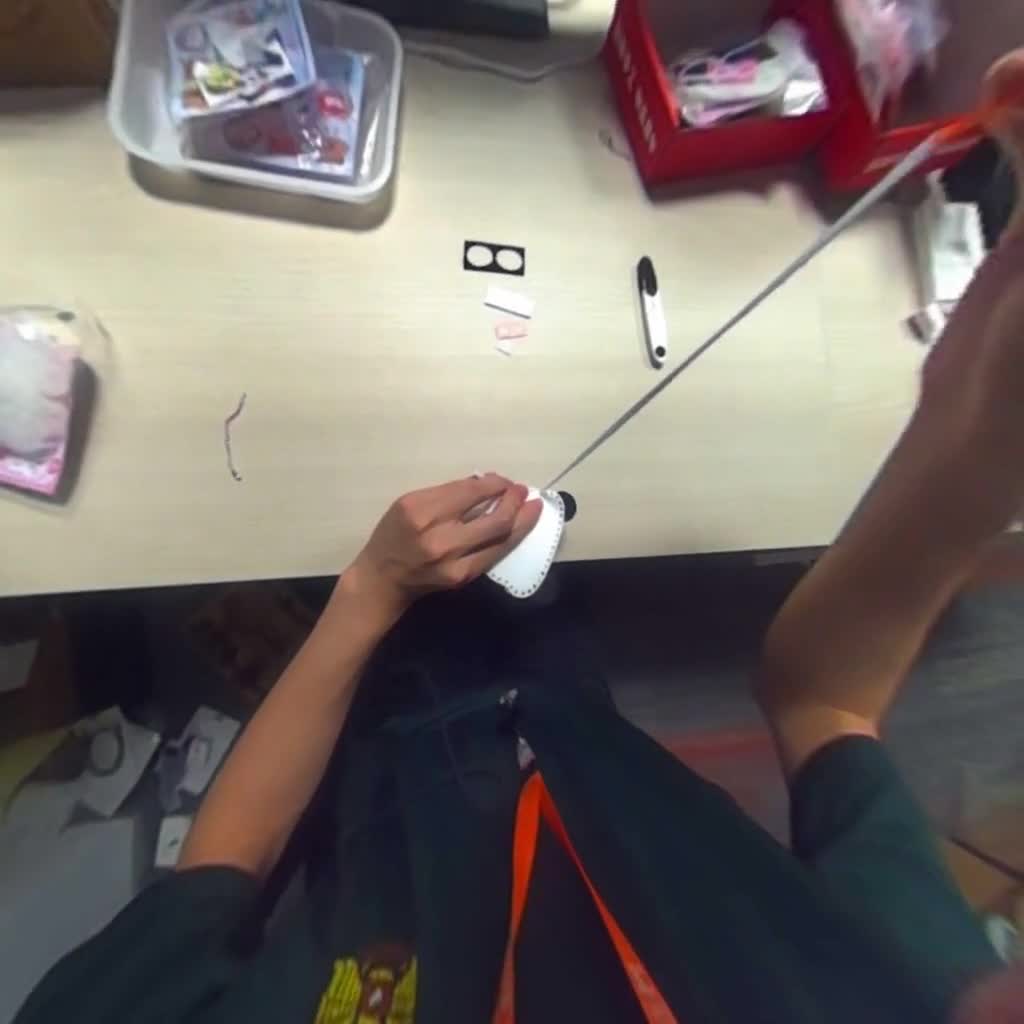
INTENT / ANNOTATIONWhy tools are chosen
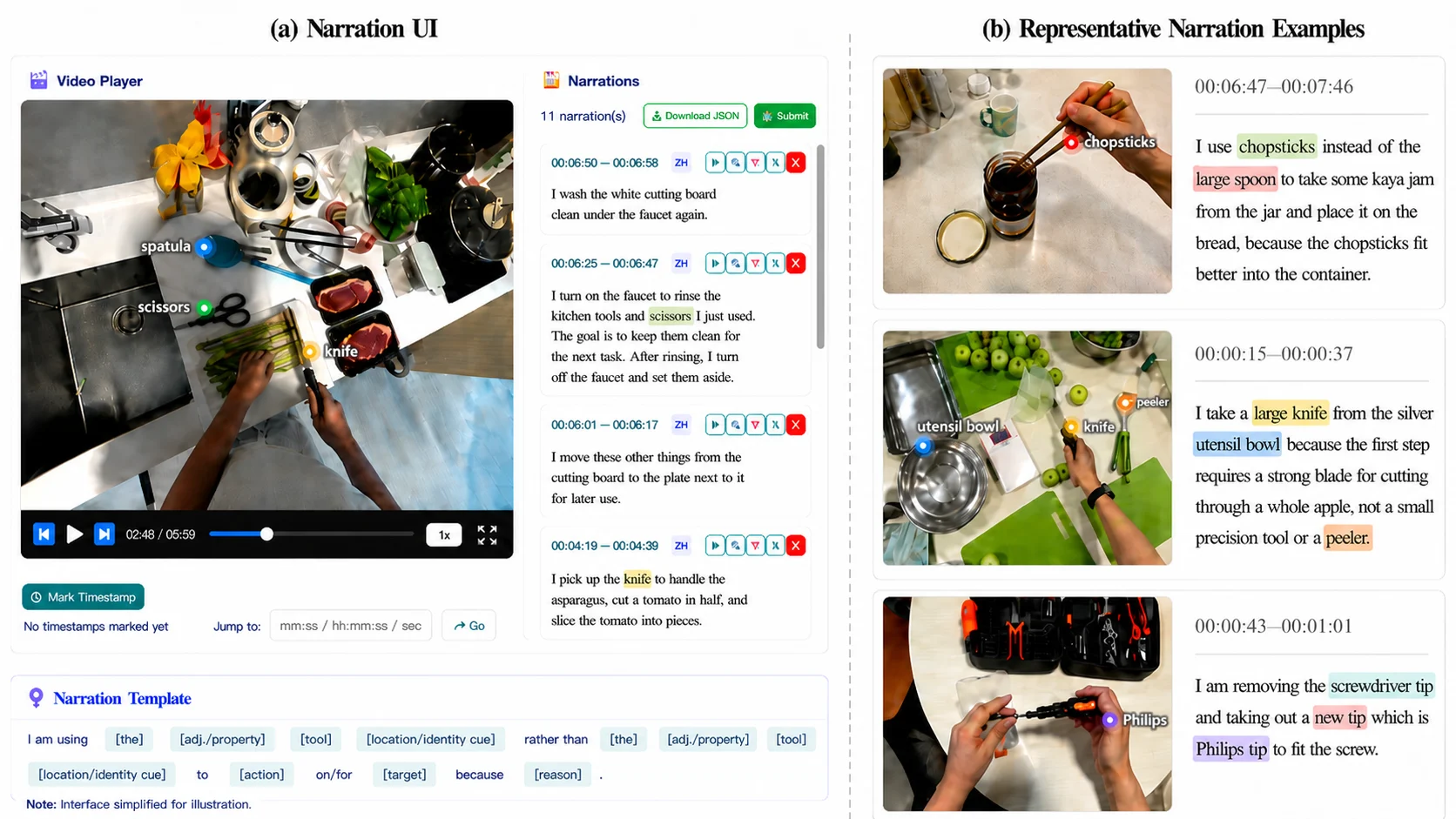
EgoTools records the decision around a tool interaction—not just a list of low-level hand motions. Tool-centric narrations connect the selected tool and its properties to the task, the intended use, and the reason it was chosen over an alternative.
That structure preserves the task-state changes needed to study affordance, causality, and procedure across long, real-world episodes.
Not just what happened.Why this tool, for this task, now.
A tool interaction becomes useful supervision when action is connected to purpose.
02
THE BENCHMARK
One thousand questions. No frame lookup.
Every question asks for evidence-grounded reasoning across tool choice, perception, procedure, or spatial relations.
Affordance & Causality
363Why this tool, and what changes because of it?
Perception & Grounding
236Which object, state, property, or evidence moment?
Procedural Dynamics
222How do steps, transitions, and outcomes connect?
Spatial Reasoning
179How do the hand, tool, and target align in 3D?
TOOL IDENTIFICATIONDIFFICULTY / EASY
What is the most accessible and convenient tool used to move the asparagus from the pan to the plate?
03
THE SIGNAL
Training on real tool use moves the needle.
The paper reports that EgoTools supervision lifts the 8B backbone from 50.0 to 60.9, a gain of 10.9 percentage points.
- Affordance & Causality (AC)+9.3
- Perception & Grounding (PG)+13.8
- Procedural Dynamics (PD)+11.0
- Spatial Reasoning (SR)−11.0
- Overall (ALL)+10.9
12.5% chance level · 8-way multiple choice
FULL BENCHMARK SNAPSHOT
Every model. Every track.
All results reported in the current arXiv manuscript, now in one sortable ranking. Choose any track to compare every model.
Have a new run? Send the checkpoint, input protocol, predictions, and reproduction notes.
Submit to EgoTools-Bench| Rank | Model | Category | Eval. frames | Audio | |||||
|---|---|---|---|---|---|---|---|---|---|
| 01 | Human Expert | Human reference | Free-view | ✓ | 82.1 | 85.2 | 83.3 | 82.7 | 83.2 |
| 02 | Gemini-3.1-Pro | Proprietary | 1 fps | ✓ | 69.7 | 51.7 | 72.1 | 74.9 | 66.9 |
| 03 | Gemini-3-Flash | Proprietary | 1 fps | ✓ | 64.5 | 50.0 | 73.0 | 72.6 | 64.4 |
| 04 | EgoTools-8B | Ours · Fine-tuned | 64 | — | 55.4 | 59.7 | 68.1 | 44.4 | 60.9 |
| 05 | Gemini-3.1-Flash-Lite | Proprietary | 1 fps | ✓ | 58.1 | 44.5 | 59.9 | 58.7 | 55.4 |
| 06 | GLM4.1V-Thinking | Open · Reasoning | 64 | — | 46.1 | 50.0 | 57.1 | 53.3 | 50.7 |
| 07 | Qwen3-VL-8B-Instruct | Open · Instruct | 64 | — | 46.1 | 45.9 | 57.1 | 55.4 | 50.0 |
| 08 | InternVL3.5-8B-Instruct | Open · Instruct | 64 | — | 45.8 | 45.9 | 53.4 | 53.3 | 48.7 |
| 09 | InternVL3-8B-Instruct | Open · Instruct | 64 | — | 44.7 | 44.9 | 51.8 | 48.9 | 47.1 |
| 10 | Qwen2.5-Omni-7B-Instruct | Open · Instruct | 64 | ✓ | 44.7 | 45.9 | 51.8 | 46.7 | 47.1 |
| 11 | Qwen3-VL-4B-Instruct | Open · Instruct | 64 | — | 41.7 | 45.4 | 50.2 | 50.0 | 45.7 |
| 12 | Qwen3-VL-8B-Thinking | Open · Reasoning | 512 | — | 43.6 | 41.8 | 48.2 | 55.4 | 45.7 |
| 13 | MiMo-VL-7B-RL | Open · Reasoning | 64 | — | 43.1 | 45.9 | 50.6 | 39.1 | 45.3 |
| 14 | Qwen2.5-VL-7B-Instruct | Open · Instruct | 64 | — | 40.1 | 43.3 | 50.2 | 47.8 | 44.3 |
| 15 | MiMo-VL-7B-SFT | Open · Instruct | 64 | — | 41.4 | 44.9 | 49.4 | 40.2 | 44.2 |
| 16 | Qwen2-VL-7B-Instruct | Open · Instruct | 64 | — | 46.6 | 35.6 | 46.2 | 47.8 | 44.2 |
| 17 | LLaVA-Video-7B-Qwen2 | Open · Instruct | 64 | — | 38.2 | 39.7 | 43.3 | 37.0 | 39.8 |
| 18 | LLaVA-OneVision-7B | Open · Instruct | 64 | — | 37.6 | 37.1 | 42.9 | 37.0 | 38.9 |
| 19 | Qwen3-VL-4B-Thinking | Open · Reasoning | 512 | — | 37.6 | 36.6 | 36.4 | 41.3 | 37.4 |
Human Expert is shown as a free-viewing ceiling; model protocols remain visible through category, frame budget, and audio columns. Gemini models use 1 fps video.
A check means synchronized non-narration audio is provided. Narrations, dense captions, and annotation metadata are never used as evaluation inputs.
04
THE SYSTEM
From experience to intelligence.
A single traceable pipeline connects real-world collection to a model that can explain what it sees.
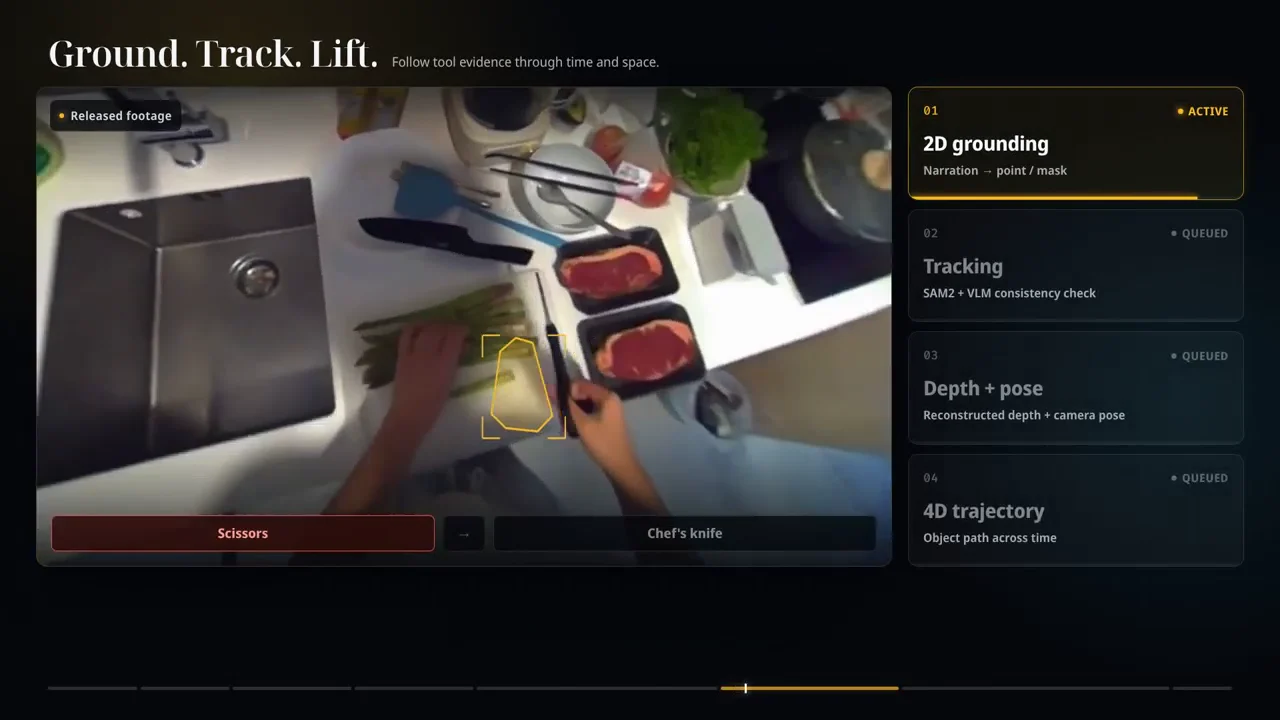
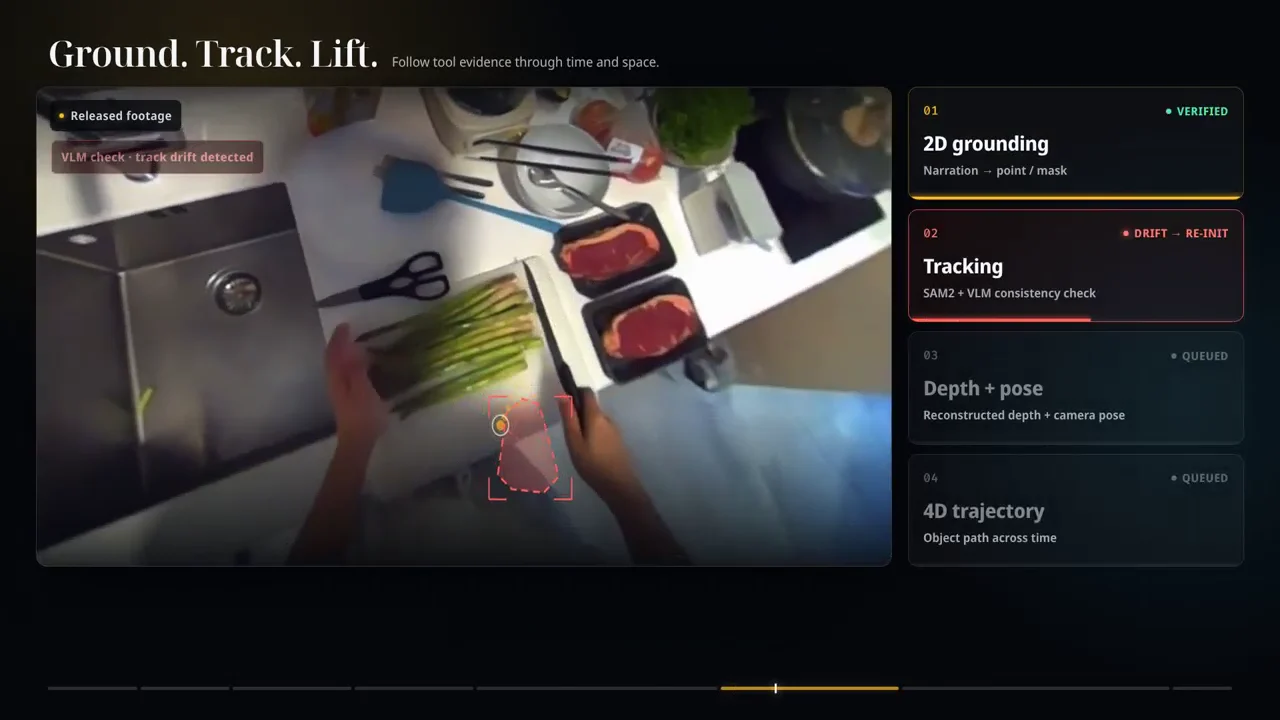
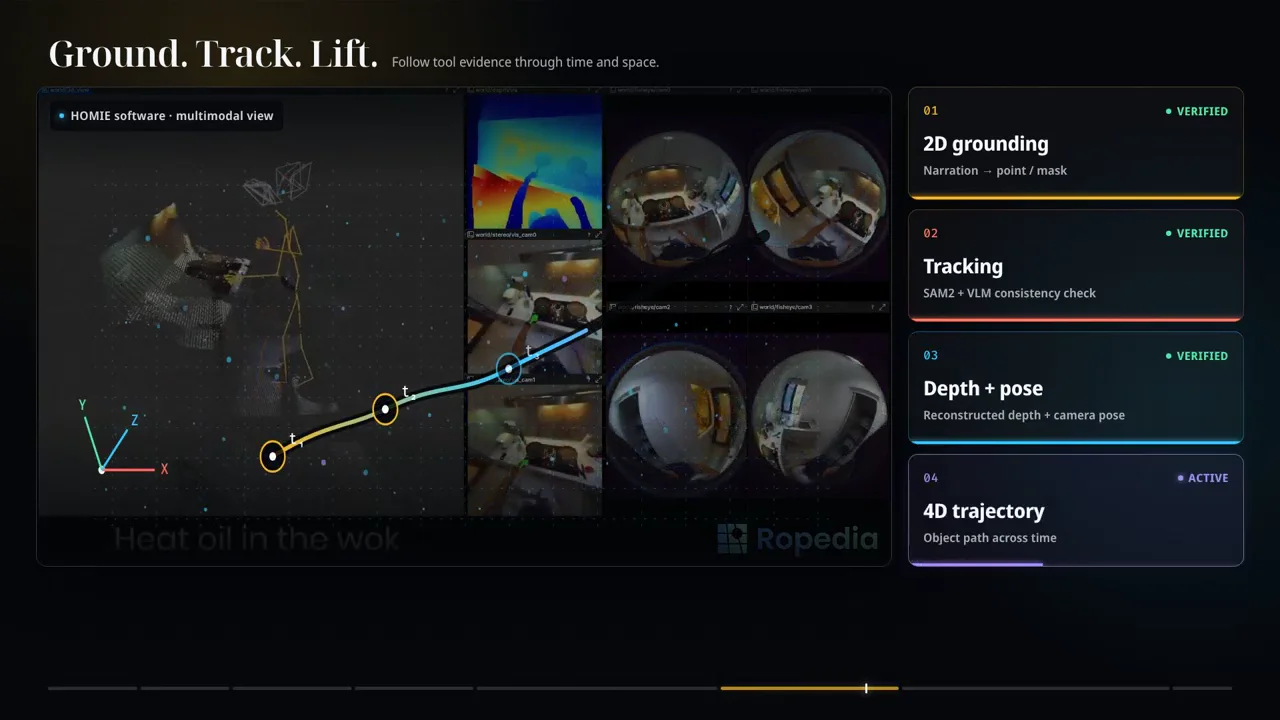
A frame shows the tool.A trace explains the choice.
Ground the evidence, verify it through time, then lift the path into space.
- 01Collect
Real tool-use episodes across seven domains
→ - 02Rectify
Canonical first-person video at 1024 × 1024
→ - 03Narrate
Hierarchical captions and tool-centric intent
→ - 04Ground
2D/3D tool trajectories through time
→ - 05Evaluate
1,000 evidence-grounded 8-way questions
→ - 06Train
A reference model with benchmark-window exclusions
RELEASE PACKAGE / COMING SOON
Build models that understand the work.
EgoTools: Towards Tool-Centric Reasoning in Real-World Egocentric Videos. Accepted at EMNLP 2026 Main Conference.
PAPERCOMING SOON
CODECOMING SOON
DATACOMING SOON
MODELCOMING SOON